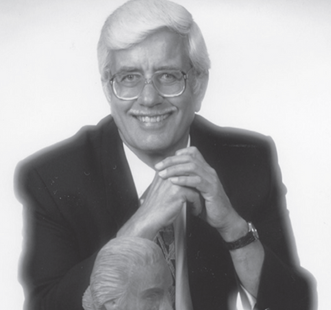
Jean-Paul Dionne
Dr. Jean-Paul Dionne joined the University of Ottawa in 1966 as a lecturer in mathematics. He became an adjunct professor in the Faculty of Arts in 1971 and later joined the Faculty of Education in 1976, where he remained until his retirement in June 1996. He was widely recognized for his intellectual rigour, dedication to student support, and contributions to quantitative and qualitative research methods, statistics, and cognitive science.
In 1995, Dr. Dionne received the University of Ottawa’s prestigious Award for Excellence in Teaching, honoring his exceptional work as a thesis supervisor and professor. The symposium he founded in 1986—originally the Graduate Student Symposium—reflected his commitment to equipping students with the skills and experience necessary for success. Organized by graduate students in the Faculty of Education, the event continues to embody his motto: “Listen, challenge, and support.” These words to live by provide students with opportunities to present their research and gain hands-on experience in organizing an academic conference..
About symposium
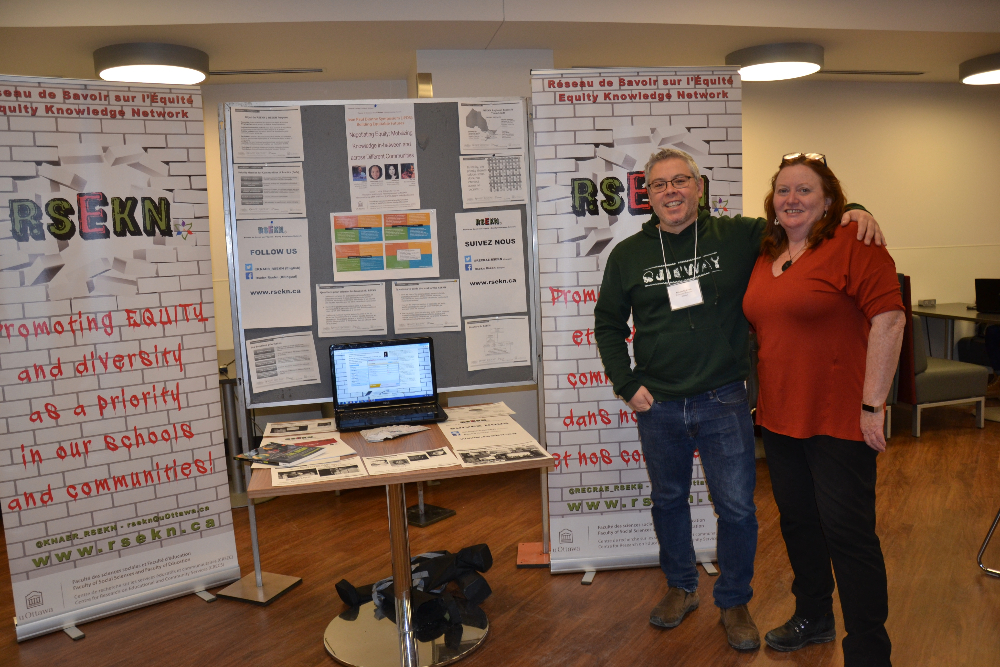
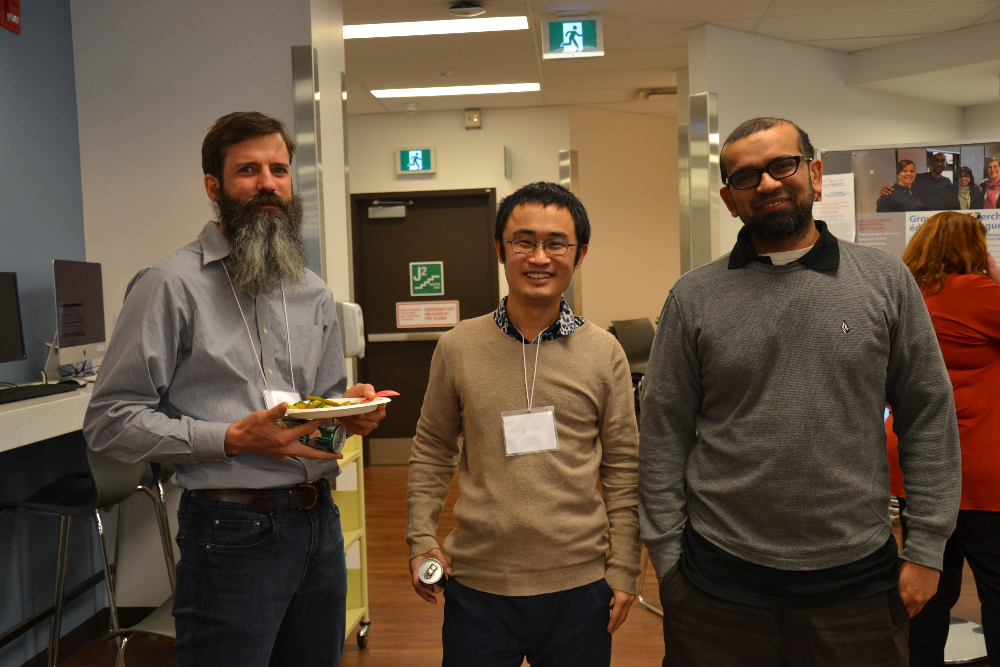
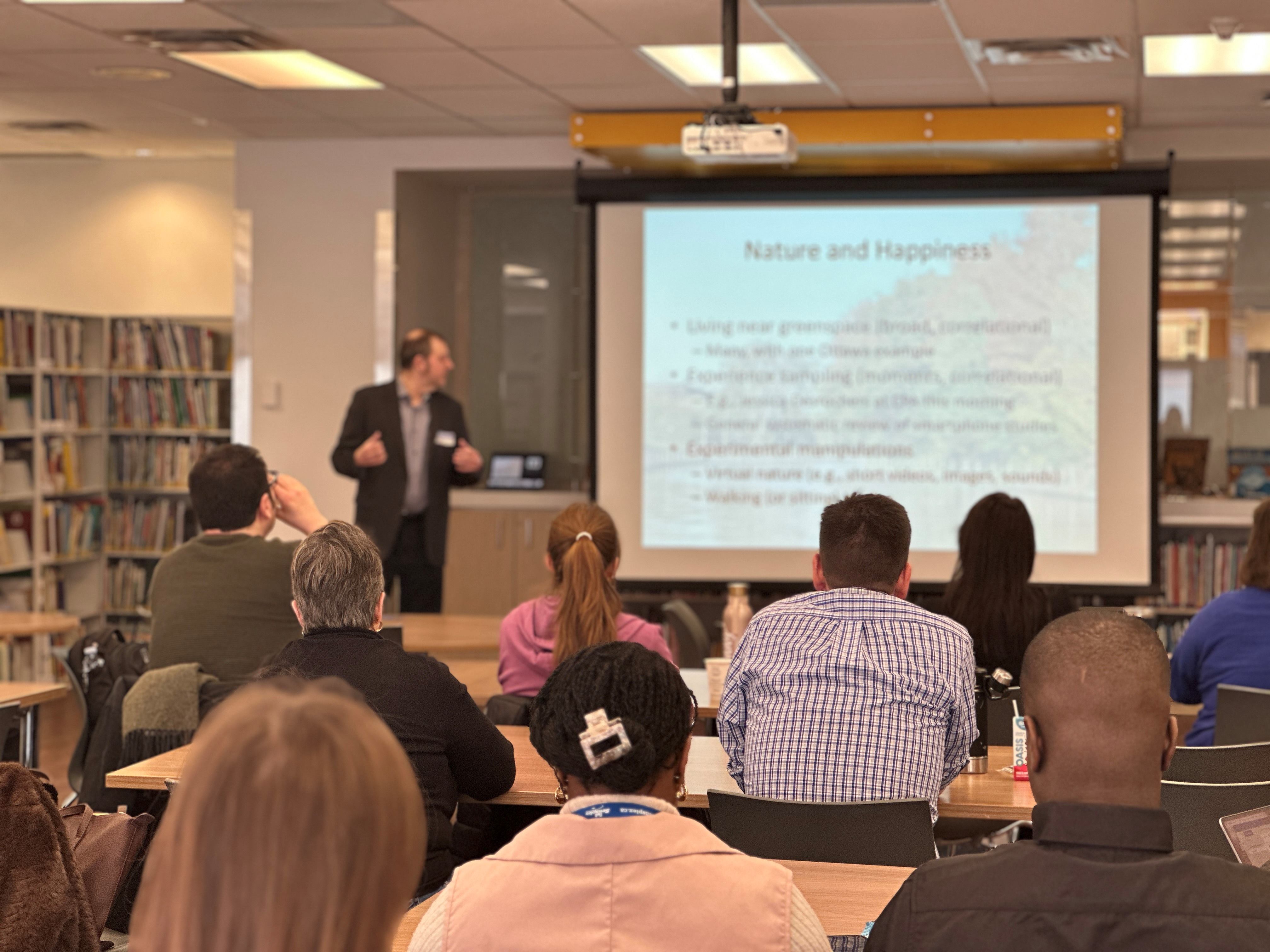
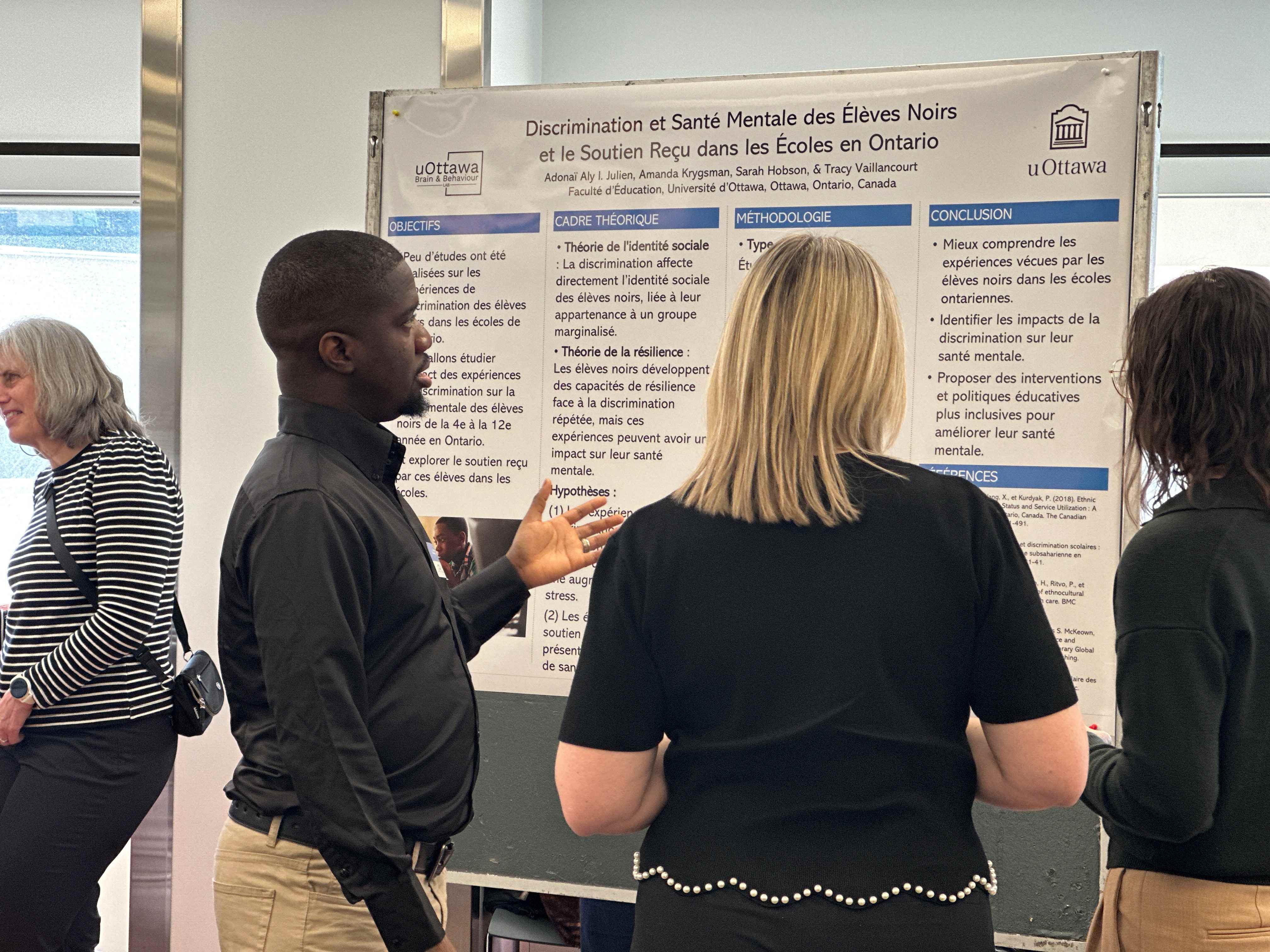
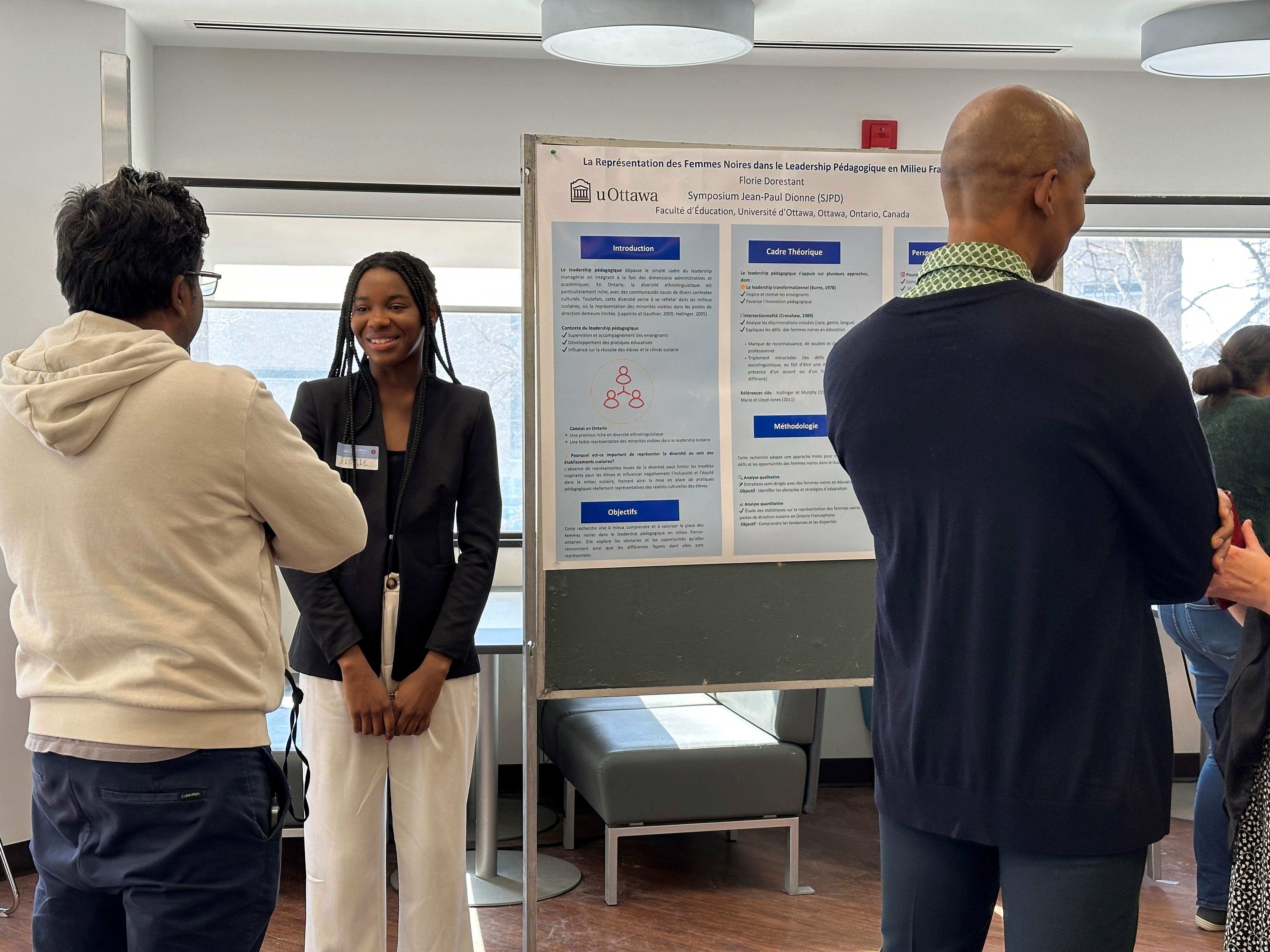
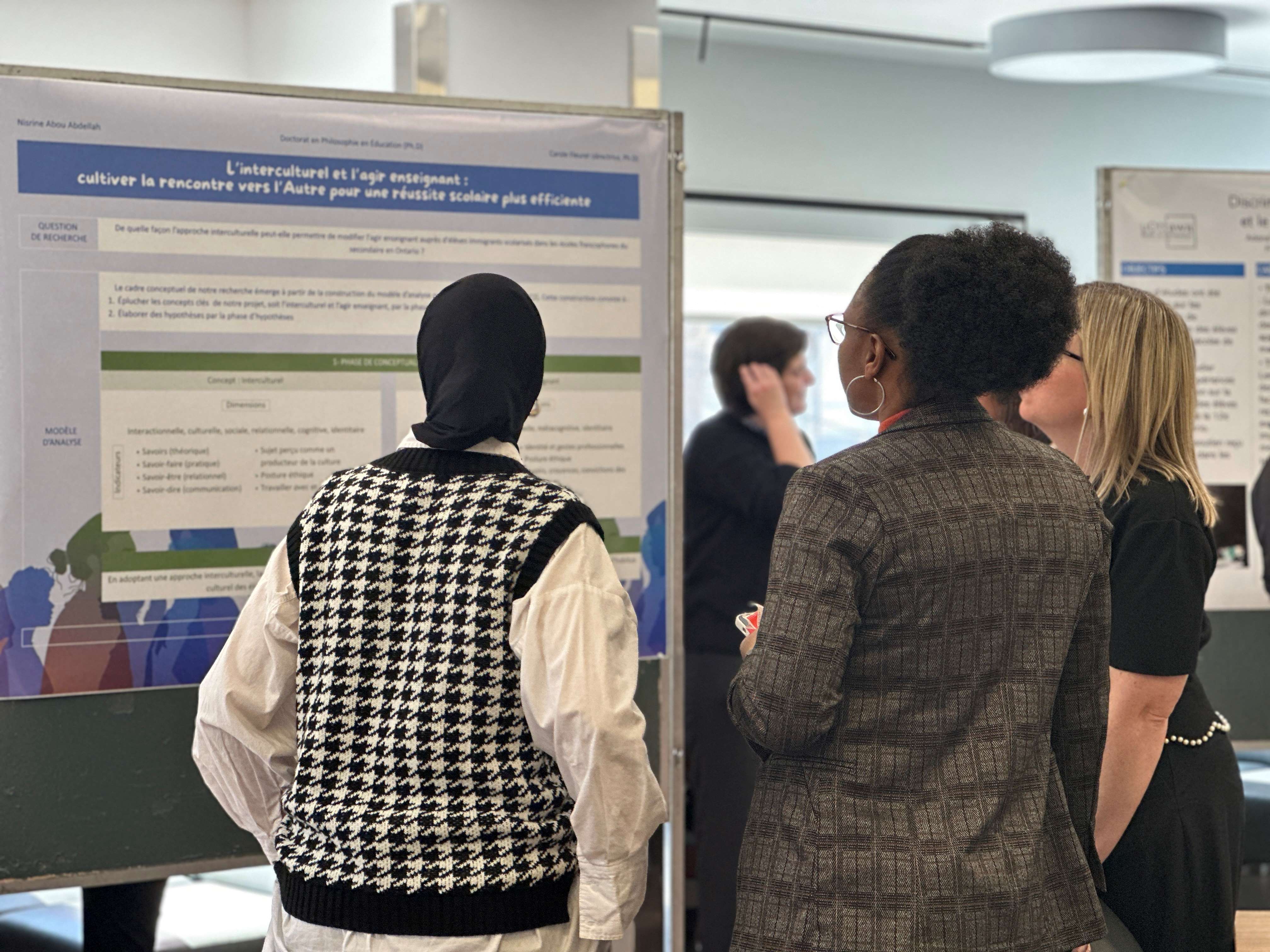
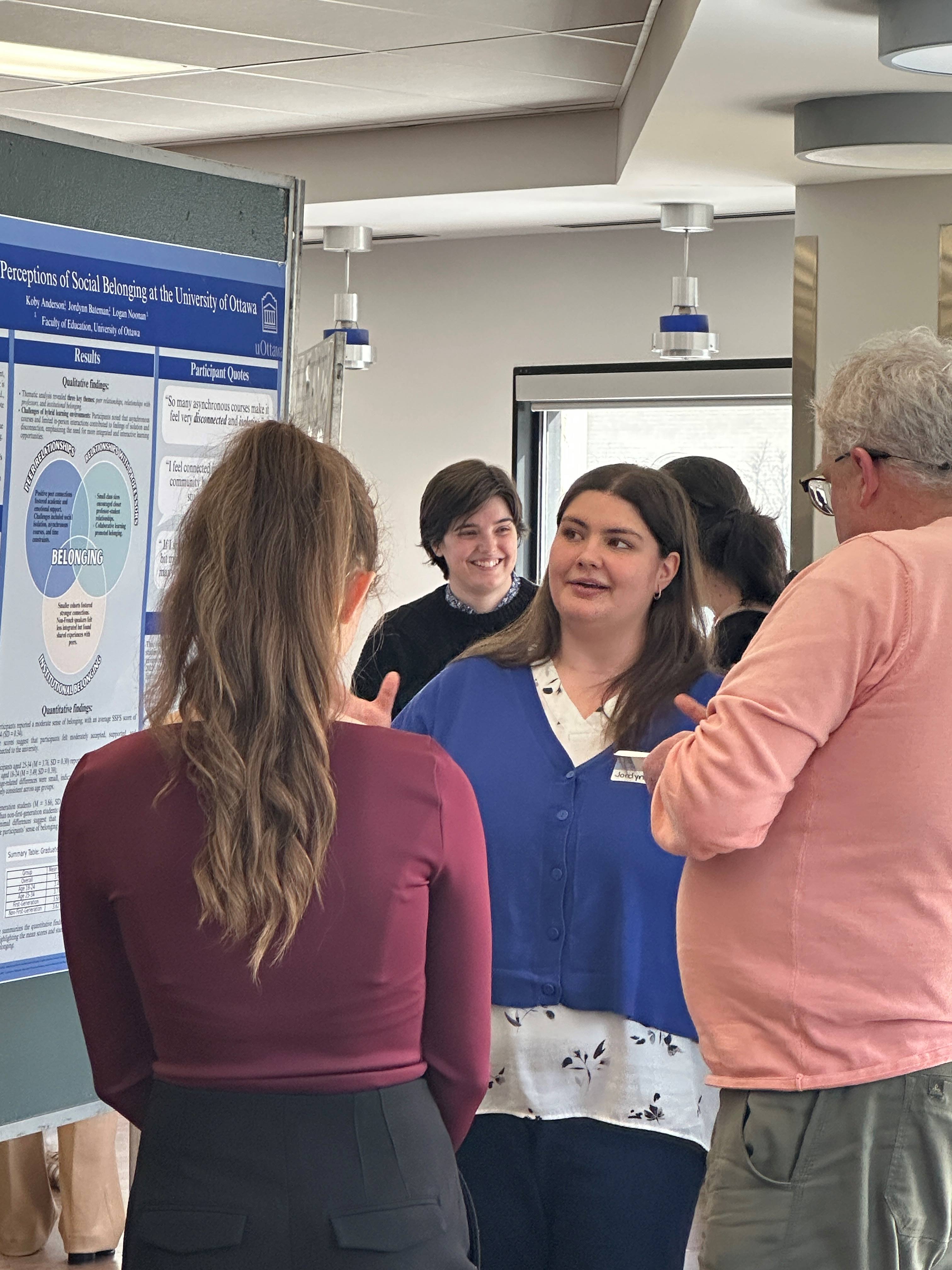
Founded in 1985 by Professor Jean-Paul Dionne, the Symposium has become a vibrant gathering for graduate students from across Canada and the United States.
The Jean-Paul Dionne Symposium is an annual bilingual research conference organized by graduate students from the Faculty of Education at the University of Ottawa. The symposium provides graduate students with opportunities to share their work—whether in progress or completed—engage with colleagues, and explore new ways of understanding, thinking, and doing. Through poster sessions, research presentations, and workshops, students come together to learn from one another and to grow as emerging scholars.
For many participants, this will be their first academic conference. Accordingly, it has long been a central part of the Symposium’s tradition to foster a supportive and collegial environment, while allowing students to showcase their work to the broader educational community and gain experience presenting at peer-reviewed academic conferences.
 SJPD-JPDS